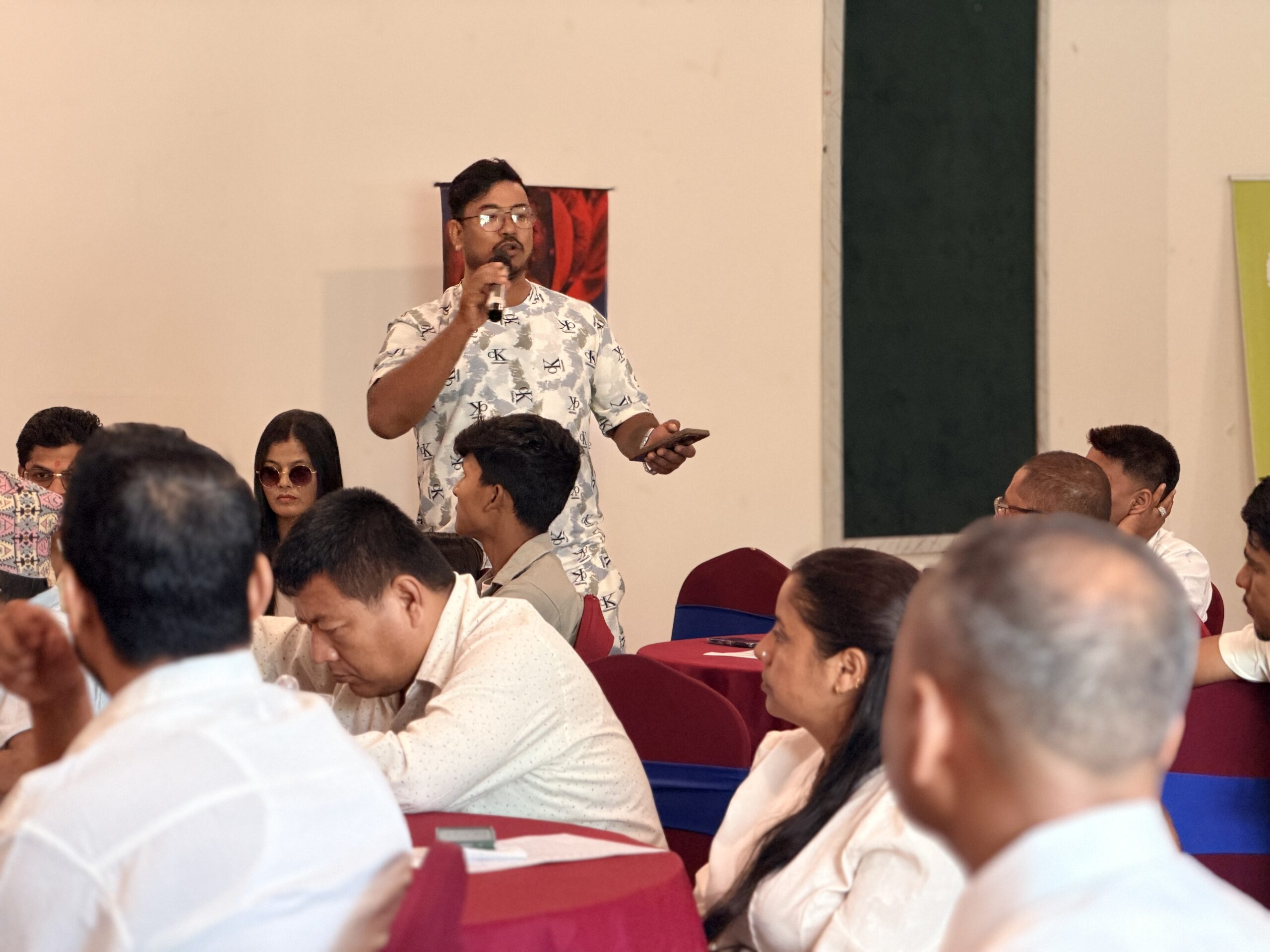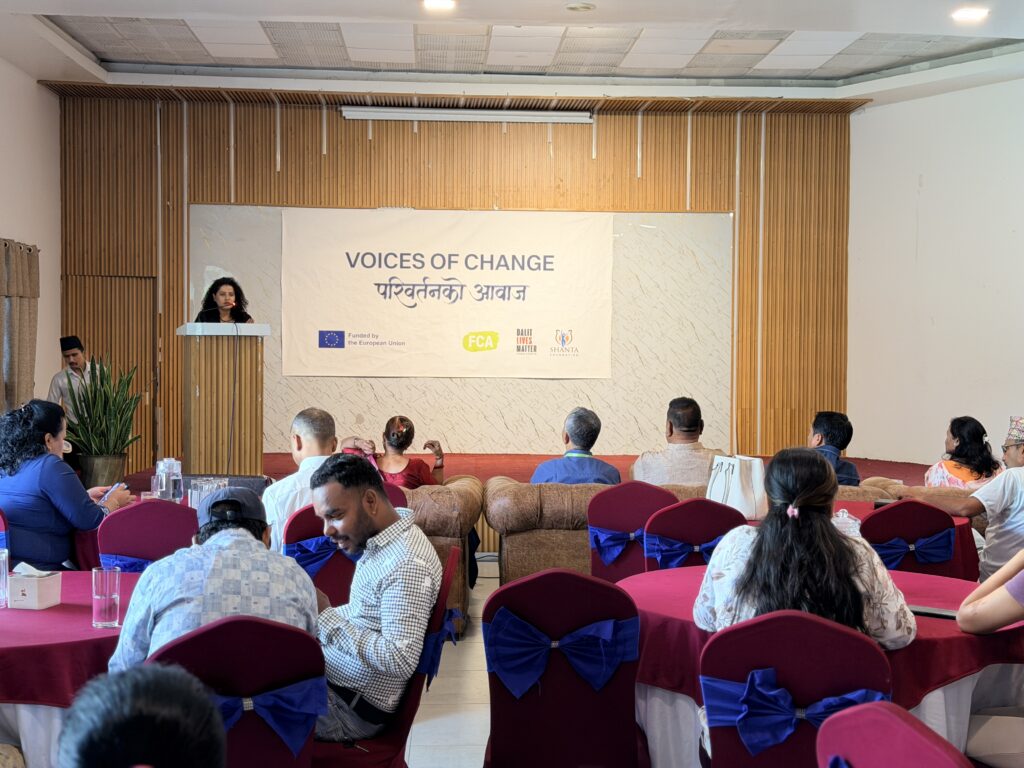
Dhangadhi, Nepal – The Voices of Change project, a 36-month initiative funded by the European Union, was officially launched in Sudurpashchim Province to empower marginalized youth through cultural and creative industries. The provincial inception meeting was held at Rubus Hotel in Dhangadhi. The project is led by FCA Nepal in partnership with Dalit Lives Matter Global Alliance (DLMGA) and the Shanta Foundation.
The launch event was attended by Sudurpashchim Province Minister for Social Development Bel Bahadur Rana Magar as Chief Guest and Minister for Industry, Tourism, Forests and Environment Man Bahadur Rawal as Special Guest. The event was chaired by Bidyanath Bhurtel, Country Director of FCA Nepal. Representatives from the Provincial Assembly, Sudurpashchim Academy, Dhangadhi Sub-Metropolitan City, civil society, media, youth groups, and cultural organizations also participated.
Introducing the project, Project Coordinator Agrima KC said that although many young people from Dalit, Indigenous, women, persons with disabilities, and other marginalized communities possess creativity and talent, they often lack access to finance, markets, and platforms to express their voices. She explained that the project aims to connect culture and creativity with employment, entrepreneurship, identity, and dignity.
Over the next three years, the project will establish Creative Hubs, provide skills development and entrepreneurship training, strengthen digital capacities, improve market access, offer grant opportunities, and support advocacy against discrimination. Financial support will also be provided through seed grants, innovation grants, cultural tourism grants, and Dignity Defenders grants to help young entrepreneurs develop creative businesses.
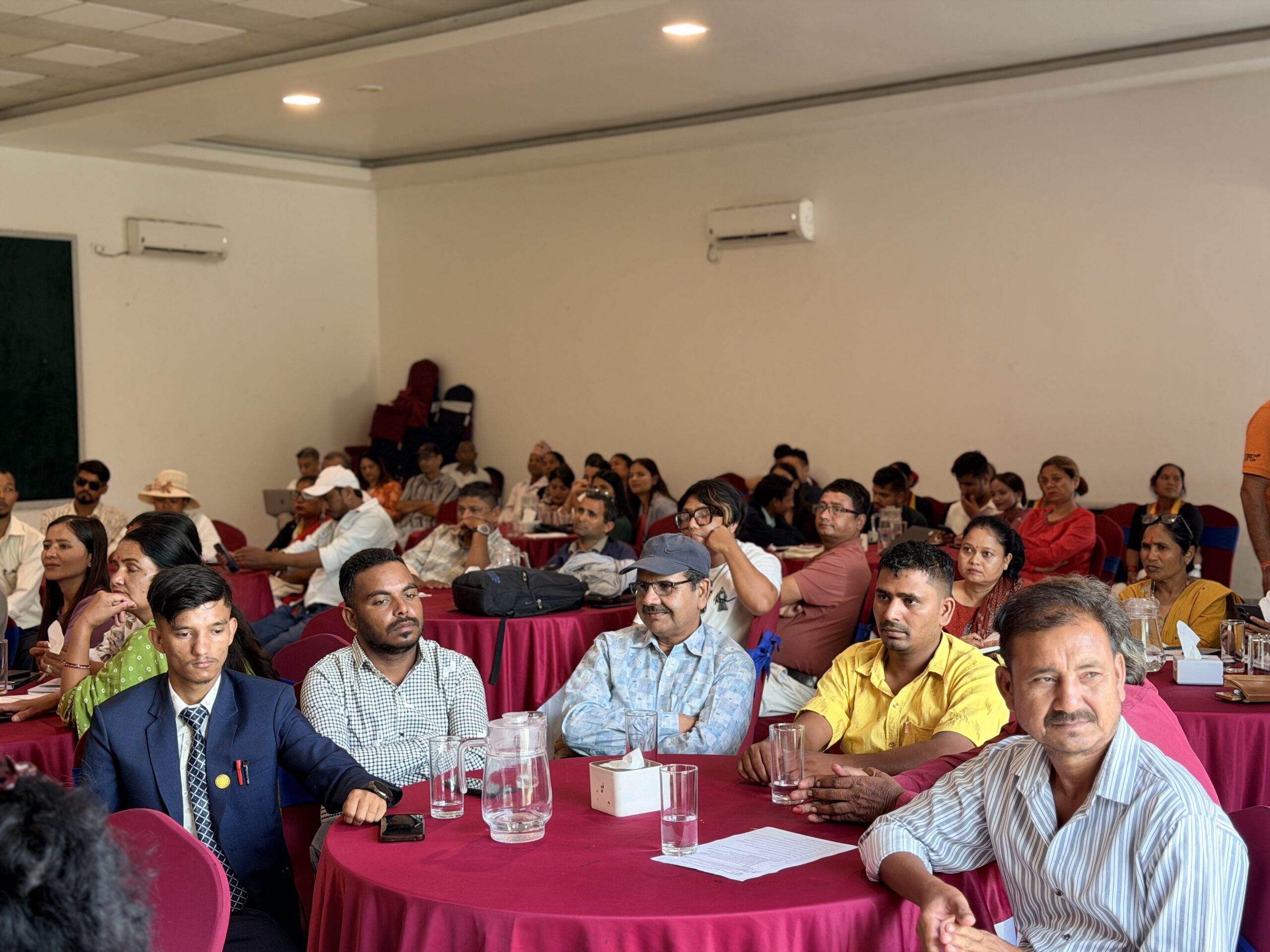
An open discussion on “Cultural and Creative Industries in Sudurpashchim: Experiences, Challenges, and Opportunities” was also held during the event. Participants discussed the region’s rich cultural heritage, limited market opportunities and investment, youth migration, discrimination, and challenges related to digital access. They emphasized that connecting traditional arts such as Deuda, Gaura, Hudke performances, handicrafts, weaving, and the cultural heritage of the Tharu community with tourism, entrepreneurship, and digital platforms could create new employment and income opportunities.
Artist Laxmi Rana highlighted the lack of opportunities for artists within Sudurpashchim, forcing many to move to Kathmandu to pursue their careers. She urged the provincial government to create more opportunities for local artists and young people interested in creative professions. Rana also stressed the importance of preserving the region’s traditional arts, culture, and occupations while linking them with modern creative industries. She further called for greater transparency in development programs, noting that intermediaries often benefit more than the intended beneficiaries.
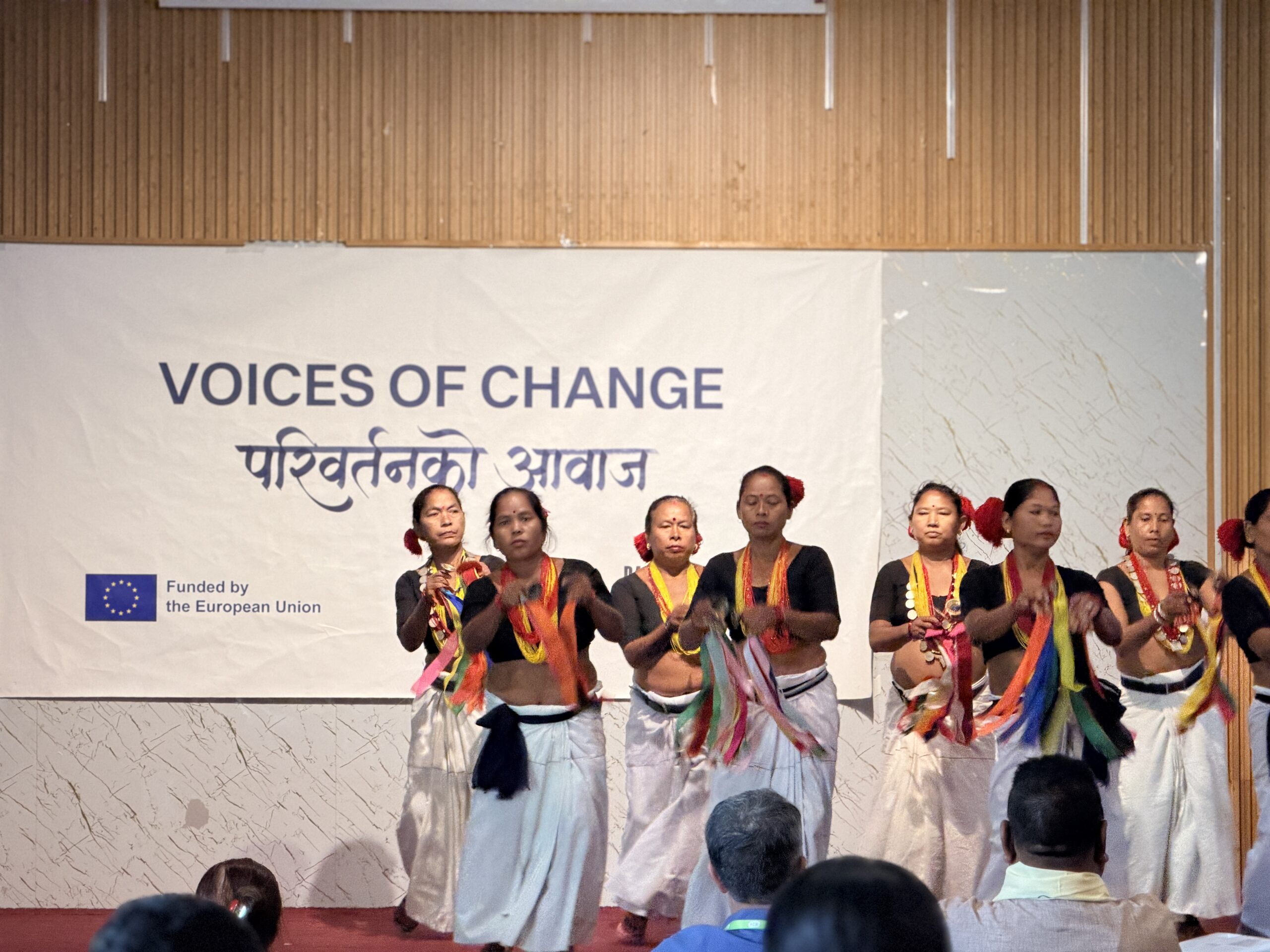
The event also featured Tharu cultural dance and Deuda musical performances, celebrating the province’s rich cultural heritage.
According to the organizers, the project’s primary goal is to strengthen the voices of women, youth, and marginalized communities by linking culture and creativity with economic opportunities while fostering collaboration among provincial and local governments, civil society, and development partners. The initiative is expected to help young people in Sudurpashchim transform their culture, creativity, and traditions into sustainable livelihoods, entrepreneurship, and greater social recognition.